
Posted By
Marfil Tiles
Published Date
21 July 2026
Would you consider using the same flooring material on a factory or retail center today that you would have used 30 years ago?
Probably not. That is because flooring choices have evolved with time
Each new era has had a specific flooring material in trend.
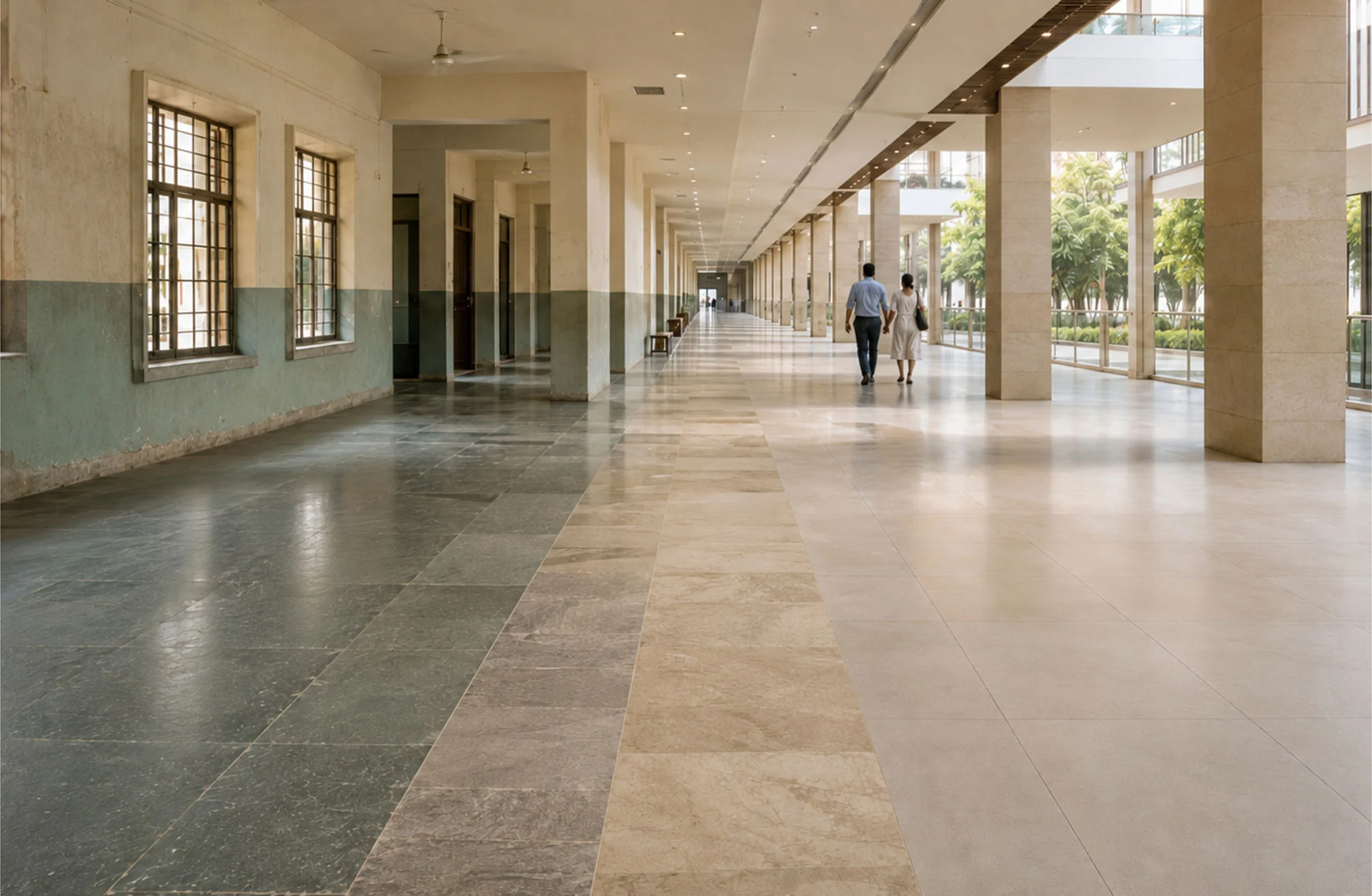
In the 1970s, Kota stone experienced a rapid rise in the luxury market. Marble and granite led the trend from 2000 to 2010 as the premium floor coverings. But the current market demand has changed. There are several challenges, including:
To tackle such changes, Indian builders and architects are using full body vitrified tiles, the new-age flooring solution for all spaces.
Let's take a look at how India's flooring industry has changed over the years and why Full Body Vitrified Tile has become the leading floor covering used in today's commercial and industrial installations.
Flooring in India has evolved from natural materials like Kota stone, marble, and granite to engineered flooring solutions such as full body vitrified tiles. While traditional materials offered durability and timeless appeal, modern construction demands lower maintenance, faster installation, greater consistency, and better performance in high-traffic areas. As a result, full body vitrified tiles have become the preferred choice for residential, commercial, and industrial projects across India.
There was a time when natural stone dominated Indian construction.
Materials like:
were considered premium flooring options. They were durable and gave buildings a timeless appearance.
For decades, they were the preferred choice for homes, schools, offices, and public buildings. But they also came with challenges.
Over time, builders started asking:
Can we get the same durability with less maintenance?
That question changed everything.
| Period | Popular Flooring Material | Why It Was Popular |
| 1970s–1980s | Kota Stone | Durable and affordable |
| 1980s–1990s | Marble | Premium appearance |
| 1990s–2010s | Granite | Luxury and strength |
| 2010–Present | Vitrified Tiles | Low maintenance and durability |
| Today | Full Body Vitrified Tiles | High traffic, long life, modern design |
Kota stone became popular because it was affordable and long-lasting. It worked well in factories, corridors, hospitals, and public buildings.
But anyone who has maintained Kota stone knows it requires regular care. Common challenges included:
It was reliable. But construction was evolving. And so were customer expectations.
As premium housing grew, marble and granite became status symbols. Their natural patterns made every floor unique.
But beauty came at a price. Builders often had to deal with:
For luxury homes, these materials still have their place. But for commercial and industrial projects, practicality started becoming more important than prestige.
The Indian tile industry changed dramatically with the introduction of vitrified tiles. For the first time, builders had a flooring solution that combined:
It quickly became a preferred choice for homes, offices, and commercial buildings.
| Feature | Kota Stone | Marble | Granite | Full Body Vitrified Tiles |
| Durability | High | Medium | High | Very High |
| Maintenance | High | High | Medium | Low |
| Water Absorption | Moderate | High | Moderate | Very Low |
| Design Options | Limited | Natural | Limited | Wide Range |
| Consistency | Low | Natural Variation | Natural Variation | High |
| Installation | Complex | Complex | Complex | Easier |
| Commercial Use | Good | Limited | Good | Excellent |
There has been an enormous change to surfaces. Traditional surface-printed tiles are subject to some type of wear and tear over time.
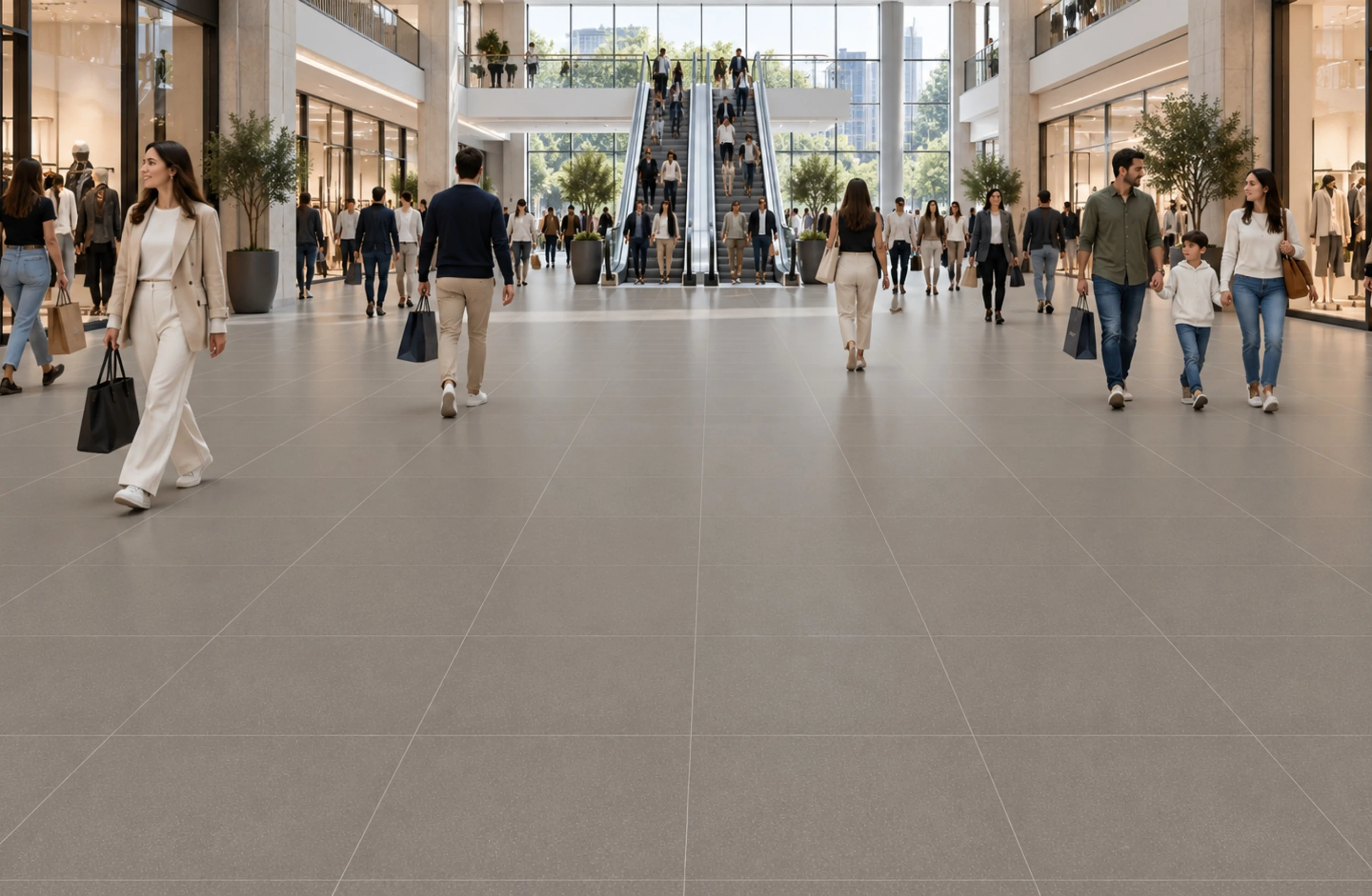
Think of an example like a shopping centre, a retail or airport terminal or a large distribution centre.
Floors in these locations are subjected to thousands of people every day. They are constantly moved over with large amounts of equipment. Floors receive enormous amounts of constant pressure.
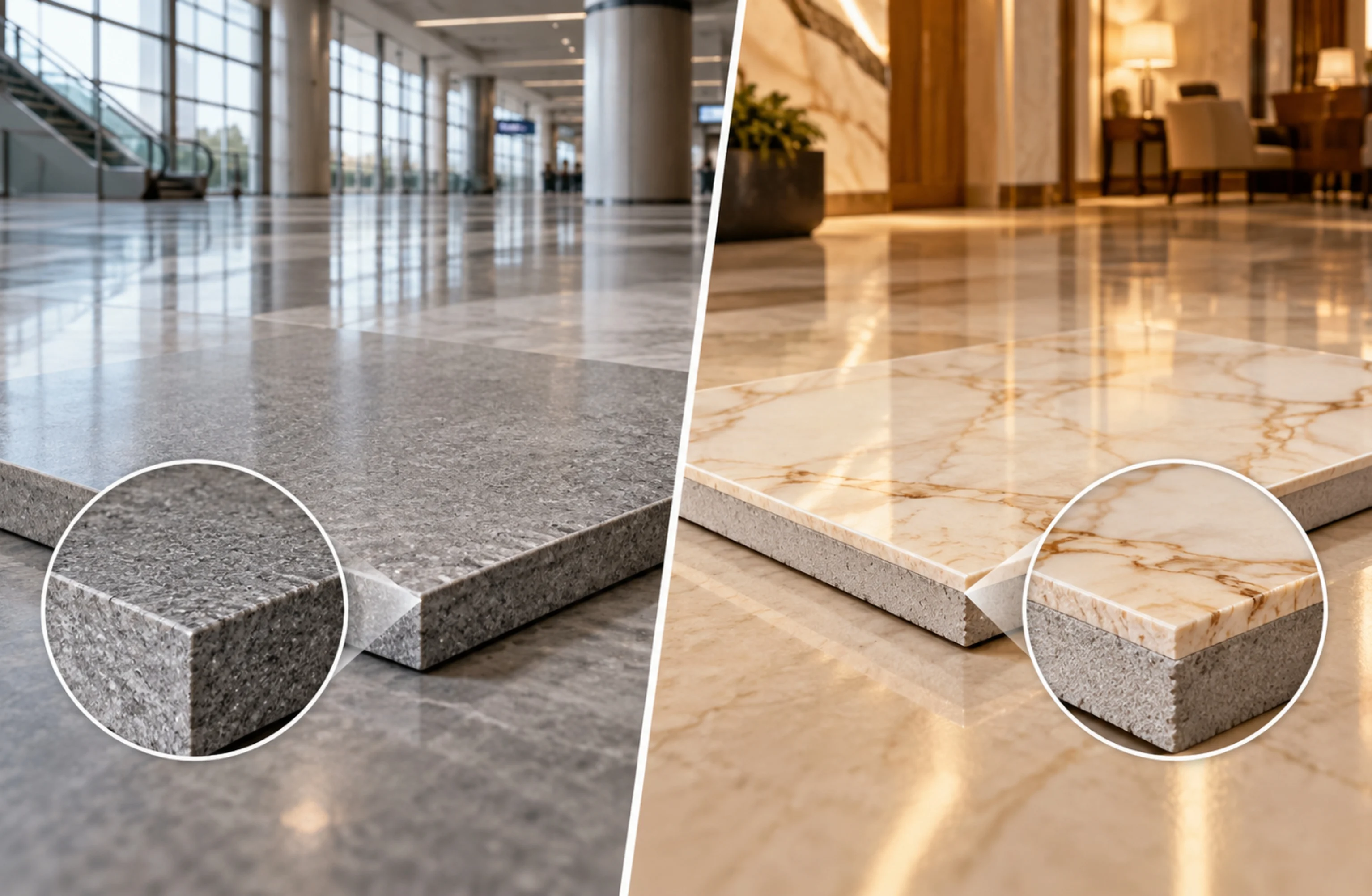
That is where the full body vitrified tile changed everything. The through-body colour and composition of the tile means that everyday wear and tear cannot be seen.
This allowed architects and builders to create a product that had a greater long-term life than a surface-printed tile.
Today's buildings are very different from those built thirty years ago.
Think about modern spaces like:
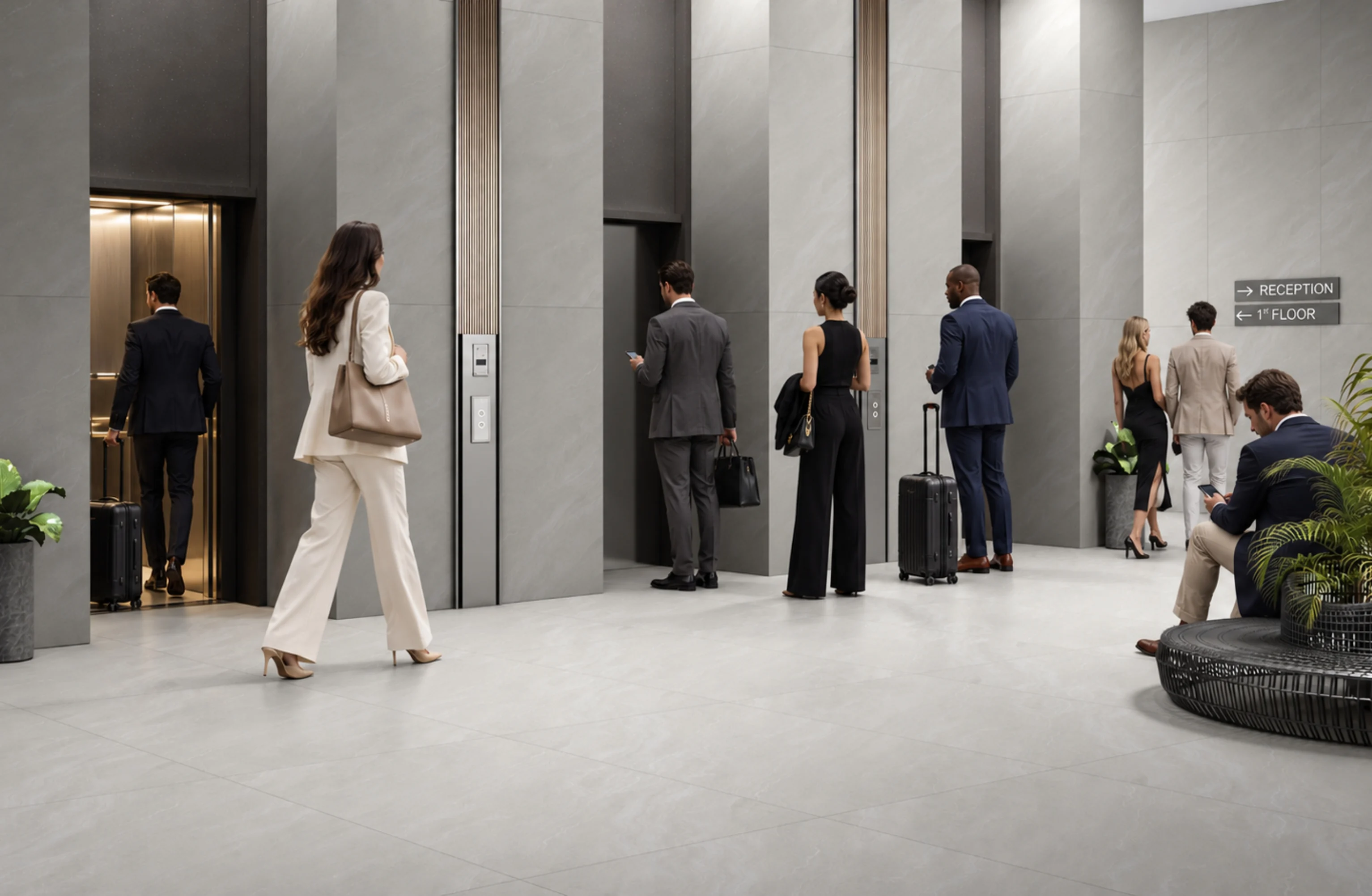
These projects need flooring that can handle heavy use without becoming a maintenance burden.
That's why full body vitrified tiles are now specified for many high-traffic applications.
They offer:
Exactly what modern infrastructure demands.
Modern construction projects demand flooring that performs well over decades rather than just looking attractive on the day of installation.
Full body vitrified tiles have become a preferred choice because they offer:
Marfil Tiles manufactures full body vitrified tiles designed for projects where durability, consistency, and long-term performance matter most. Every tile is produced using advanced manufacturing technology and strict quality control to meet the requirements of commercial, industrial, institutional, and premium residential developments.
At Marfil, we understand that flooring is a long-term investment. That's why our full body vitrified tiles are designed to deliver both strength and reliability for demanding applications.
The development of India's flooring industry mirrors the progression of contemporary construction demand. Full body vitrified tiles have therefore become an increasingly popular option for buildings all over Indian.
If you want to use strong and durable materials for your next major construction job, take a look at the full body vitrified tiles manufactured by Marfil!
Absolutely yes. Architects and builders advise to use full body vitrified tiles in premium residential projects to enhance durability and make the space feel luxurious.
Both are good options. But full body vitrified tiles provide premium appeal like marbles and enhanced durability at a much lower cost. Thus, full body vitrified tiles are wiser options.
While choosing the best full body tile supplier, you should look for experience, certifications, and reviews.
Yes, full body vitrified tiles are durable than marbles due the difference in manufacturing process. Full body vitrified tiles engineered at high temperatures helps them tackle high foot traffic and harsh conditions.
Full body vitrified tiles provide comparable strength while offering lower maintenance, better stain resistance, wider design choices, consistent quality, and easier installation, making them more suitable for modern residential and commercial projects.
Latest Insights
17 October 2026
Why Technical Porcelain Tiles Are Designed...
In the quest for sustainable building materials, Fullbody Tiles have emerged as a leading choice for...
16 October 2026
Full Body Vitrified Tiles vs Double...
In the quest for sustainable building materials, Fullbody Tiles have emerged as a leading choice for...
15 September 2026
Full Body Tiles Durability: What Affects...
In the quest for sustainable building materials, Fullbody Tiles have emerged as a leading choice for...


