
Posted By
Marfil Tiles
Published Date
23 November 2026
Why do some floors continue to look attractive after years of daily use, while others begin showing visible wear much sooner? Is it the amount of foot traffic, the cleaning routine, or the flooring material itself?
Often, the difference begins with decisions made before installation.
For architects, builders and property owners, flooring selection is not just about how a surface looks on opening day. It is also about how well it maintains its appearance through regular use, cleaning and occasional damage.
Full body tiles are worth considering in this discussion because their through-body colour can make certain minor chips less noticeable. But tile construction is only one part of long-term flooring performance.
A floor rarely loses its appearance overnight. Small scratches appear, edges get damaged, and busy areas gradually start looking different from the rest. While some wear is unavoidable, the right material and proper maintenance can make these changes less noticeable.
Here are the factors worth understanding.
Two tiles can seem equally attractive in a display. Both can have charming finishes, practically the same colors and almost identical designs. But their structural performance can tell a different story.
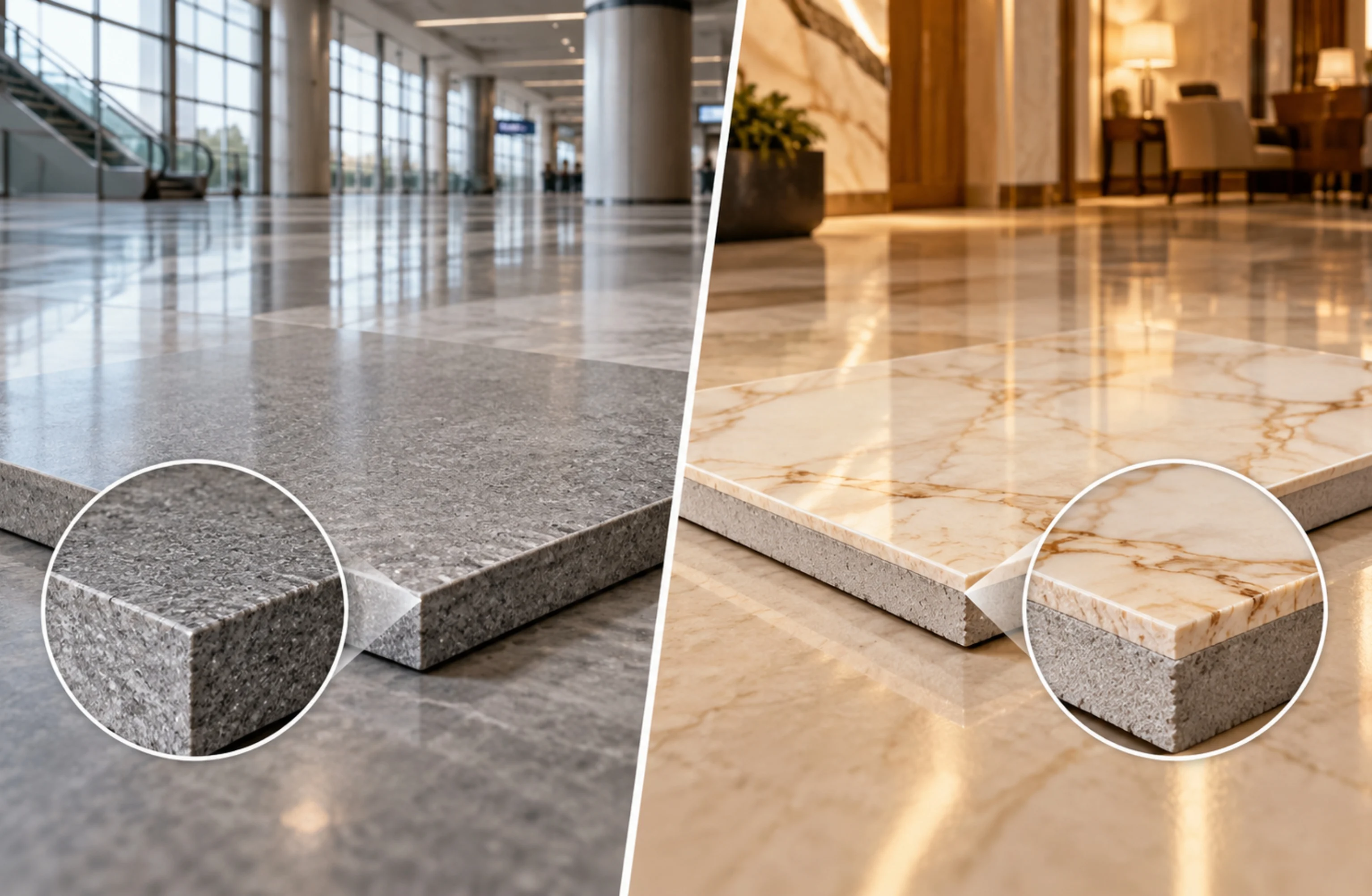
In classical glazed ceramic tiles, the top layer is different from the underlying material. However, in the case of Full Body Tiles, the color goes through the entire body of the tile. As a result, if it gets chipped on the edges, the substrate underneath is not something that can jump out.
This does not mean that the tile will not be susceptible to damage in any way, but certain imperfections may go unnoticed.
Have you observed how certain parts of a building age more quickly than others when it comes to wear and tear?
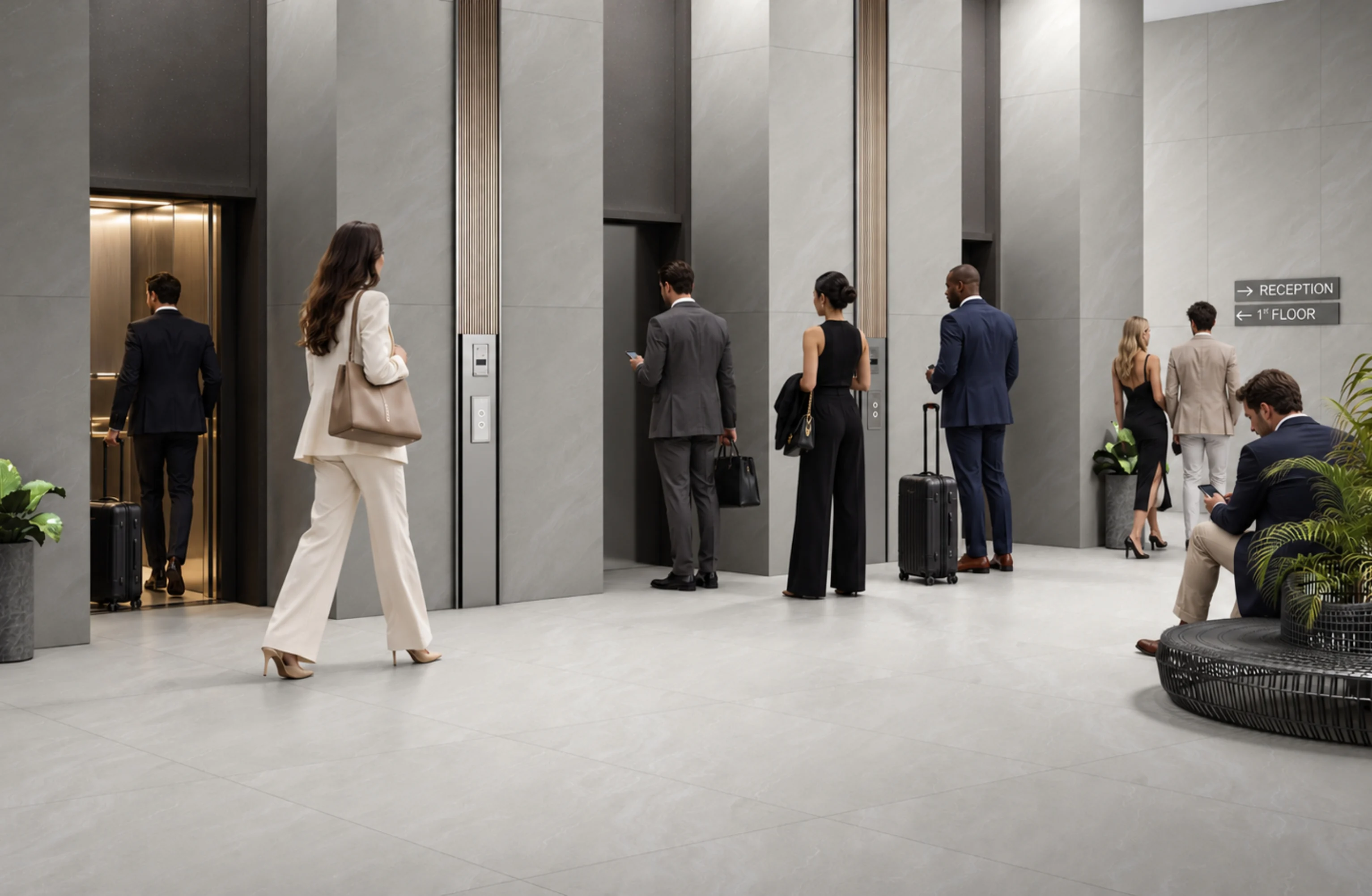
For example, a corridor leading to an elevator, the entrance of a mall, or a reception desk area will go through a lot more action than a quiet corner of the building.
That's because people tend to take the same route, and flooring takes its toll.
As a result, choosing tiles only based on what they look like is risky. High traffic areas require floors that offer good resistance and performance.
What Full Body Tiles do bring to the table in this regard is that when manufactured according to strict standards, they can work well in such areas.
Moreover, it is not only the factor of how many people use the facility but also the factor of where they walk the most.
Furniture movement, dropped objects, cleaning equipment and everyday activities can occasionally cause minor damage to flooring.
While no tile is completely resistant to chipping or scratching, the appearance of that damage can vary depending on the tile's construction.
With certain surface-decorated tiles, a chip may expose a noticeably different colour beneath the finish. In full body tiles, the through-body colour can make some minor chips less visually prominent.
Surface finish also plays an important role. Polished, matte and textured tiles may differ in their appearance, cleaning requirements and response to wear. Buyers should therefore evaluate both the tile body and its surface characteristics before making a selection.
The goal is not to find a floor that can never be damaged, but to select a material that suits the expected conditions and maintains an acceptable appearance over time.
A hotel lobby can be maintained many times per day. A hospital hallway is maintained differently. A shopping center is always full of dust, people walking around and being in motion.
At the same time, it usually only gets talked about when the flooring is in place.
This is wrong.
Depending on tile finish, different maintenance can be needed. Wrong cleaning means, damages to cleaning procedures used as well as dirt accumulated over time can affect the surface.
It is advisable to know something about the manufacturer's cleaning instructions and the maintenance methods available at the premises prior to making the decision to get full body tile.
Even keeping some entrance mats clean and removing debris regularly can significantly extend the life of any flooring.
| Factor | How it affects flooring appearance |
| Tile construction | Influences the visual appearance of certain chips |
| Surface finish | Affects appearance, cleaning and suitability for use |
| Traffic and abrasion | Contribute to gradual wear in frequently used areas |
| Installation quality | Influences cracking, bonding and floor-system performance |
| Cleaning practices | Help manage dirt, grit, stains and surface condition |
| Application suitability | Ensures specifications match the environment |
No single characteristic determines how well a floor ages. Buyers should evaluate the combination of material properties, expected use, installation requirements and maintenance practices.
Marfil Tiles offers flooring collections for architectural, residential and commercial applications. Our portfolio includes Full Body Vitrified Tiles, Digital Full Body Tiles and Technical Porcelain Tiles, with different finishes, formats and thickness options available across relevant collections.
For projects where long-term appearance matters, selecting the appropriate tile requires more than comparing designs. Architects and project buyers should review relevant product specifications, available finishes, thicknesses and intended applications. Marfil Tiles' full body vitrified and technical porcelain collections provide options that can be evaluated against these project requirements. Buyers can also review product specifications before selecting materials for different spaces.
A new floor can impress anyone. The real achievement is choosing one that continues to look presentable after years of use. Explore the Marfil Tiles catalogue to discover Full Body Tiles and find suitable flooring solutions for your next project.
Flooring appearance over time depends on tile construction, surface finish, traffic, installation quality and maintenance. Selecting a tile suited to its environment can help reduce avoidable wear and damage.
Certain minor chips may be less noticeable because the colour extends through the tile body. However, the appearance depends on the product, finish and extent of damage.
No. Full body construction does not make tiles scratch-proof. Scratch and wear performance depend on the surface characteristics and relevant product properties.
Suitable full body tiles can be used in high-traffic areas when their technical specifications, surface finish and installation system meet the application's requirements.
Follow the manufacturer's cleaning guidance, remove grit regularly, use appropriate cleaning products and maintain the grout and joints. Cleaning requirements may vary by tile finish.
Latest Insights

21 November 2026
Why Large Construction Projects Need More...
In the quest for sustainable building materials, Fullbody Tiles have emerged as a leading choice for...
17 October 2026
Why Technical Porcelain Tiles Are Designed...
In the quest for sustainable building materials, Fullbody Tiles have emerged as a leading choice for...
16 October 2026
Full Body Vitrified Tiles vs Double...
In the quest for sustainable building materials, Fullbody Tiles have emerged as a leading choice for...


